Recognizing that environmental sustainability has become a necessity rather than an option, Egypt is actively implementing e-waste collection a door-to-door campaign to address the critical challenge of e-waste. The collection campaign is part of the One Circle Initiative, a key component of the United Nations Industrial Development Organization’s (UNIDO) Transforming Egypt’s Circular Economy Value Chains (SWITCH2CE) project. Led by E-Tadweer and the Haya Karima Foundation, the campaign aims to directly engage rural communities in the conversation around e-waste challenges.
E-waste collection
Every year, millions of electronic devices —ranging from smartphones, laptops, routers, cables, and TVs, to other electronic equipment—are thrown away, contributing to a real environmental and economic burden.
These devices are a treasure trove of valuable materials like metals, and plastics, and many components can be refurbished and reused, yet improper disposal leads to pollution and missed opportunities for resource recovery.
This campaign seeks to raise awareness in rural communities in Egypt about the importance of reusing, repairing, and recycling unwanted electrical products.
By understanding the value of these materials and components, households can play a critical role in promoting sustainability and supporting the circular economy.
E-waste collection: a grassroots movement for change
On November 24th, the door-to-door campaign officially commenced in Wardan, a small village in Giza Governorate, and expanded to Shubra El-Kheima Center, El Qaliubya Governorate.
Volunteers from Haya Karima Foundation, previously trained that month, knocked on doors to raise awareness about e-waste recycling. The message was simple yet powerful: give your old devices a new life!
This initiative goes beyond education by actively engaging households to participate in e-waste recycling. Residents are encouraged to dispose of unwanted devices in exchange for vouchers/incentives.
Once collected, devices in good condition are assessed for potential refurbishment and reuse, maximizing their value and lifecycle.
Those that cannot be refurbished are handed over to Greest, a certified recycler, where they are safely dismantled and recycled. Any residual waste is securely disposed of in landfills, ensuring a sustainable and responsible process.
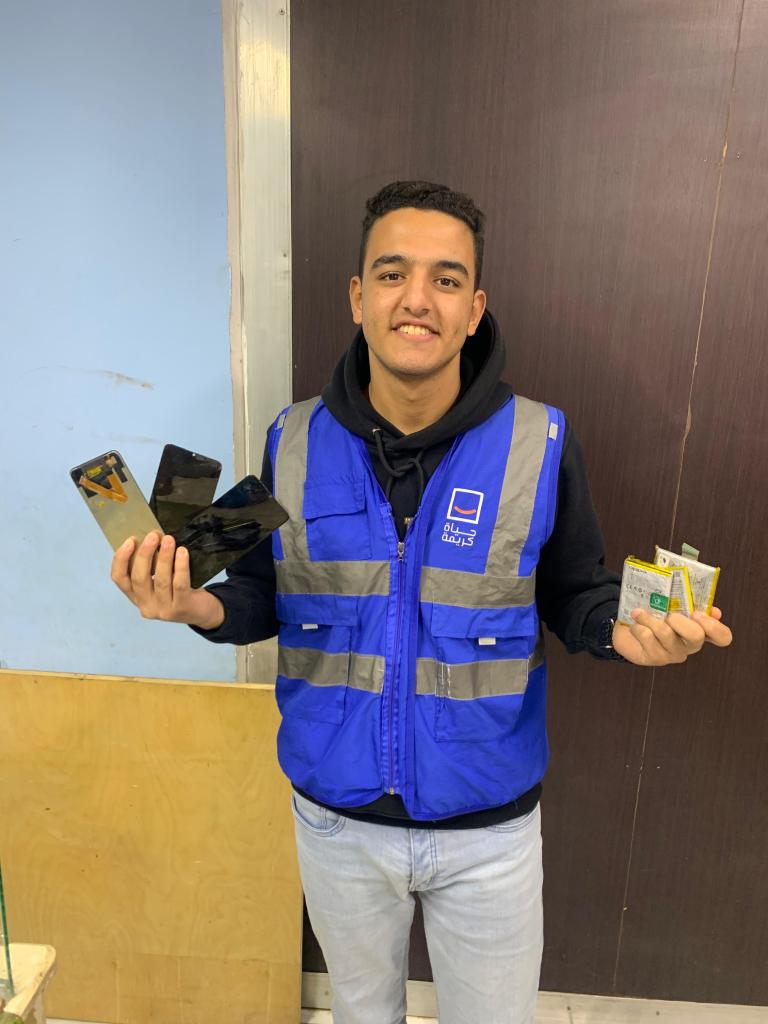
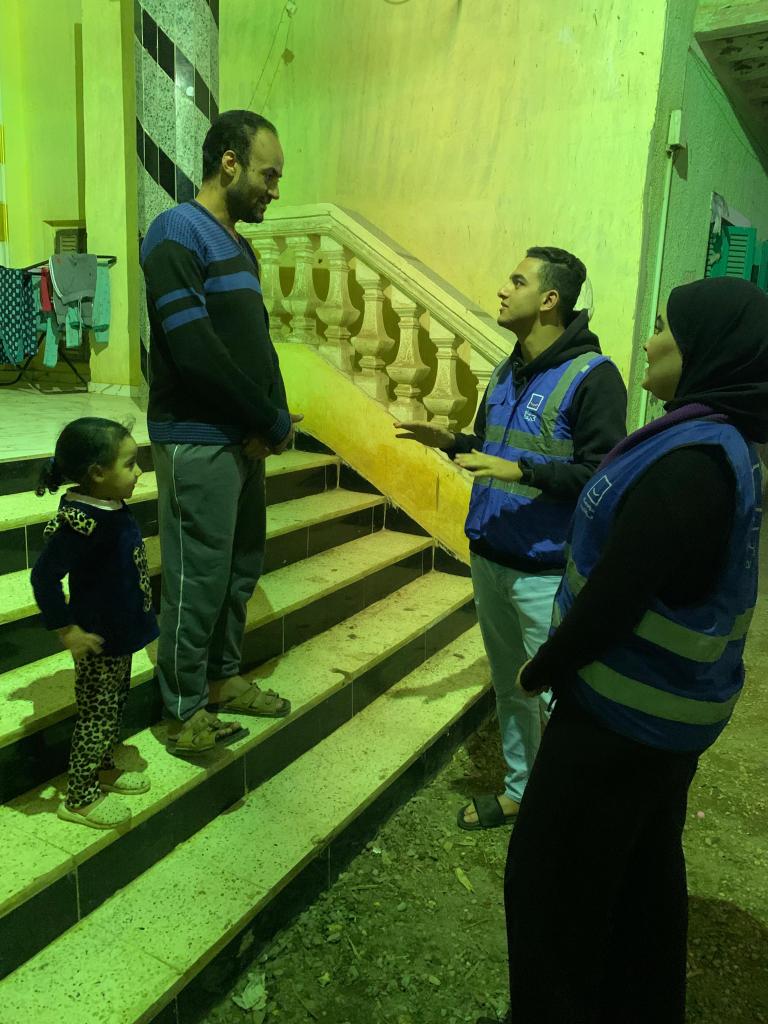


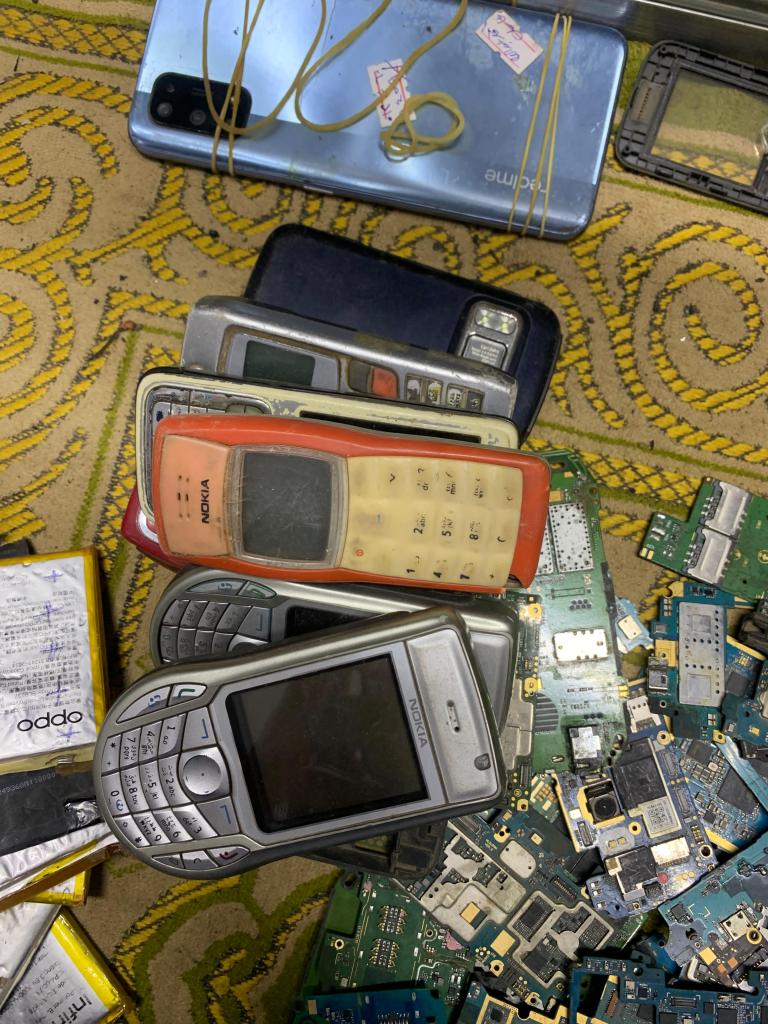
E-waste recycling campaign
The campaign’s ambition goes far beyond one village. With plans to expand to El Faiyum as our next station and other areas, the initiative aims to collect 10,000 kilograms of e-waste and educate over 1,000 individuals about the benefits of the circular economy.
This door-to-door campaign is a collaborative effort involving multiple partners working together to ensure its success.
E-Tadweer plays a crucial role in ensuring transparency and organizing the collection process. Hayaat Karima Foundation leverages its trusted presence in communities to amplify the message and encourage participation. Meanwhile, Greest, as a certified recycler, guarantees that the collected e-waste is handled responsibly and sustainably.
What’s next about electronic waste solutions?
As the campaign e-waste collection moves forward, it brings with it a vision of sustainability and empowerment. The initial success in Wardan and Shubra El-Kheima Center has set the stage for broader operations, with El Fayoum and more governorates to follow.
Each household that participates not only declutters its space but also becomes part of a larger mission to reduce waste, recover valuable materials, and protect the environment.
The ultimate goal? To inspire a cultural shift where e-waste is no longer seen as trash but as a resource to be managed responsibly.
Through this initiative, rural Egypt is stepping into the future of the circular economy – one device, one household, one village at a time.
This door-to-door campaign is not just a recycling effort; it is a call to action to empower communities to take responsibility for creating a sustainable future, collecting e-waste and preserving the environment.
With every kilogram of e-waste collected and every individual educated, the campaign is one step closer to achieving its vision of a cleaner and greener Egypt.
About the “One Circle” pilot in Egypt:
The pilot “One Circle”, part of the global “Switch to Circular Economy Value Chains” project, targets the ICT and electronics value chain in Egypt. Its ambition is to create a broad alliance of partners – local SMEs and multinationals – committed to transforming ICT and electronics towards a more responsible development model, for the benefit of society as a whole. Led by UNIDO, Orange, Nokia, and Cordon, and supported on the ground by e-TADWEER and Haya Karima Foundation, the initiative focuses on supporting the adoption of circular economy practices, building local infrastructure to extend the life of ICT and electronics, and creating local capacity-building opportunities for sustainable change.
About SWITCH2CE:
The global Switch to Circular Economy Value Chains (SWITCH2CE) project is an initiative that assists EU multinational companies and their suppliers from developing countries to switch to more circular economy approaches and practices in three selected value chains: Plastic Packaging, Textile & Garments, and ICT and Electronics. The overall objective is to support the “Transformation towards a circular economy”, including to contribute to sustainable growth, low carbon and climate resilient development, decent jobs creation, and safer, healthier, and pollution-free environment.
SWITCH2CE is co-funded by the European Union and the Government of Finland, and implemented by UNIDO, in collaboration with Chatham House, Circle Economy, and the European Investment Bank. Learn more at: www.switchtocircular.eu
